-

Best Pool Management Company in the United States: Nationwide Coverage Explained
Read more: Best Pool Management Company in the United States: Nationwide Coverage ExplainedManaging one pool is a full-time responsibility. Managing dozens across several states, each with its own health codes, staffing markets and seasons, is a different challenge altogether. For national accounts and multi-site owners, choosing the right commercial pool management partner shapes safety, compliance and budget across the entire portfolio. This guide explains what “best” really…
-

Texas Pool Safety Laws Every Facility Operator Must Know
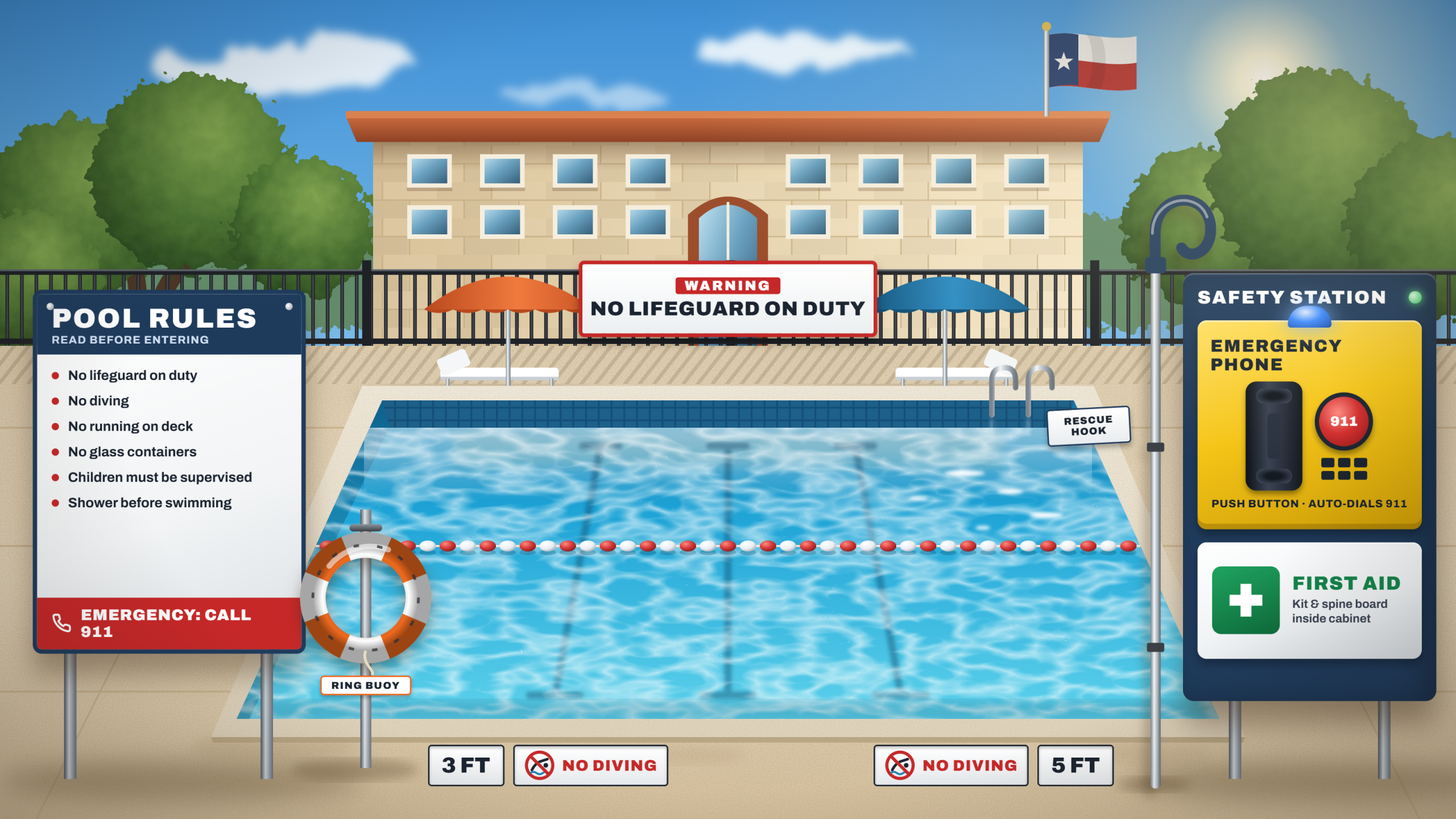
Read more: Texas Pool Safety Laws Every Facility Operator Must KnowTexas has some of the most detailed public pool rules in the country, and cities like Houston and Dallas add their own permits and inspections on top. For operators, keeping up is a year-round job, which is why many facilities rely on experienced commercial pool management to stay compliant. This guide explains the state laws…
-
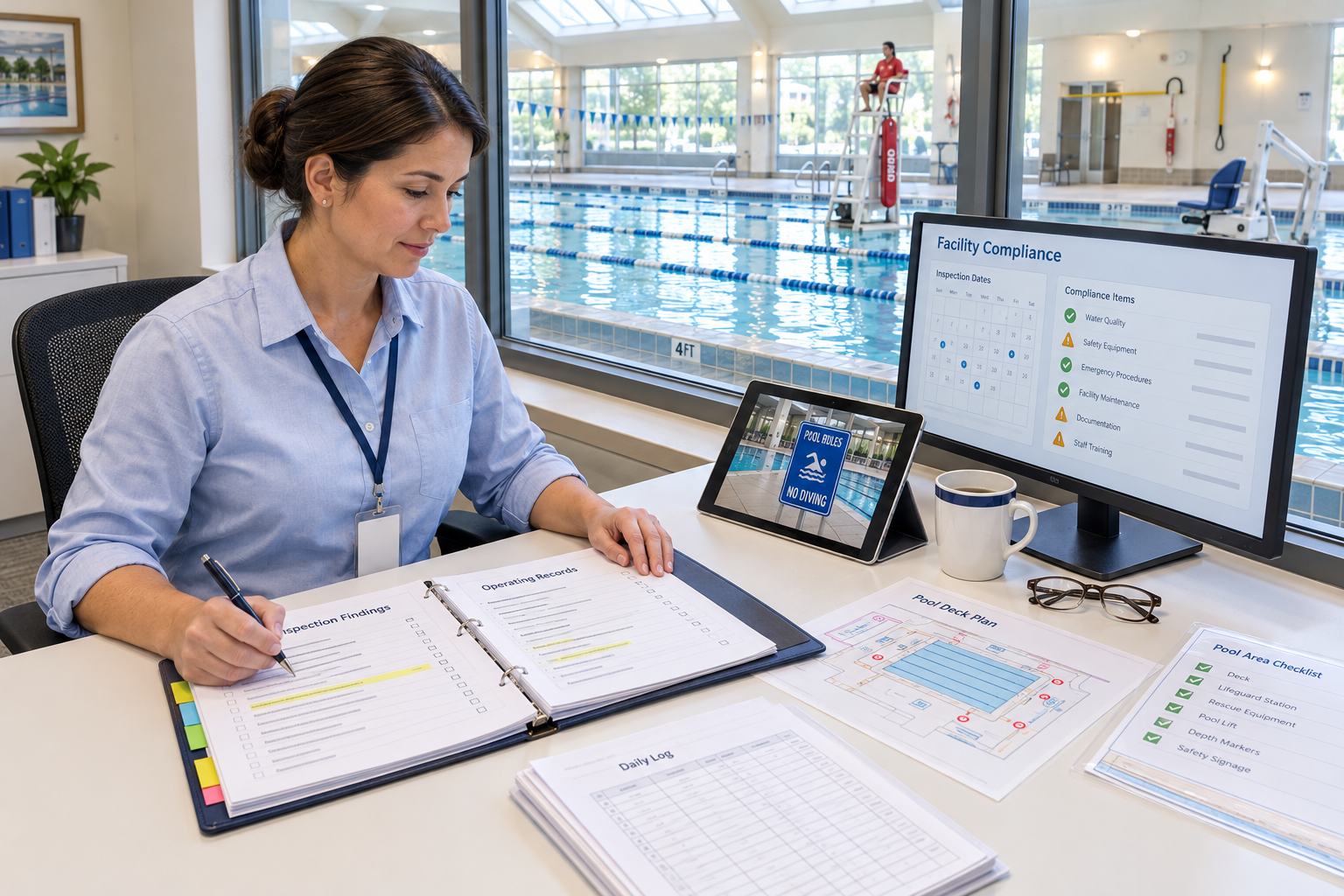
Aquatic Facility Compliance Management: Audits, Records & Inspections
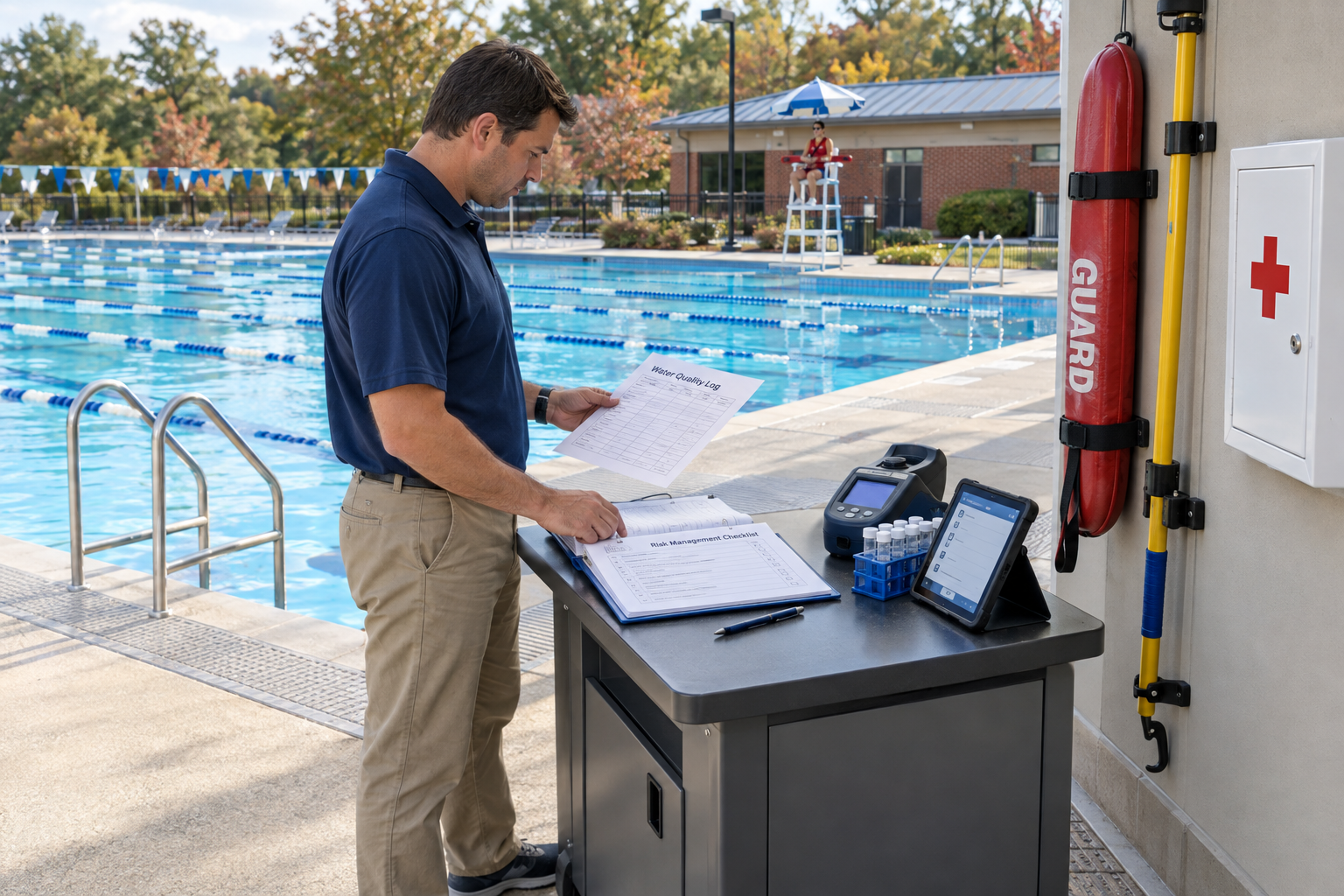
Read more: Aquatic Facility Compliance Management: Audits, Records & InspectionsAquatic facility compliance requires more than a current permit and a completed checklist. It needs a repeatable process that connects applicable requirements, daily operations, documented findings and verified corrective action. Within an aquatic facility management program, that process should make responsibility visible. Staff need to know what to check, which records to maintain and when…
-
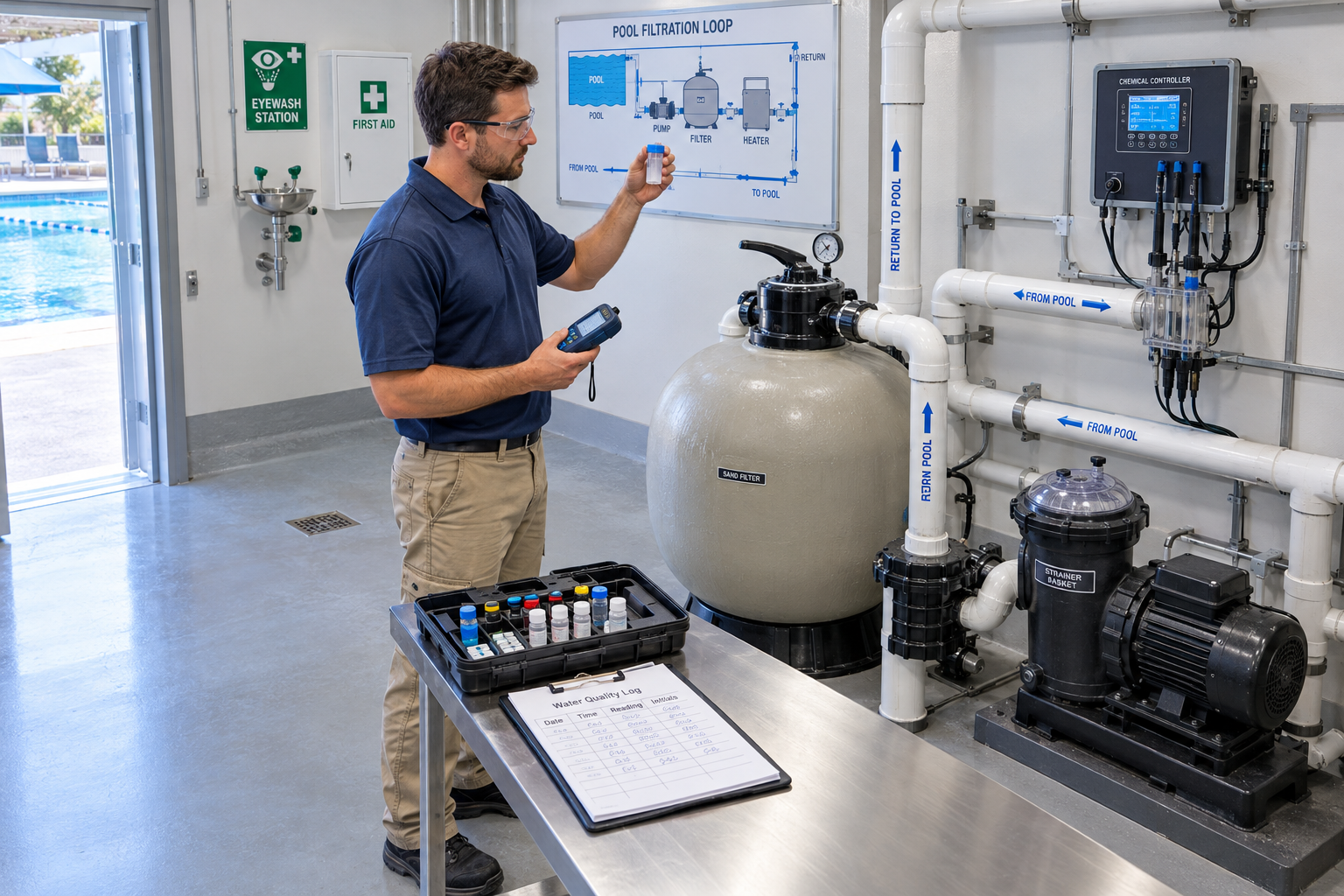
What Does a Certified Pool Operator Do? Why It Matters
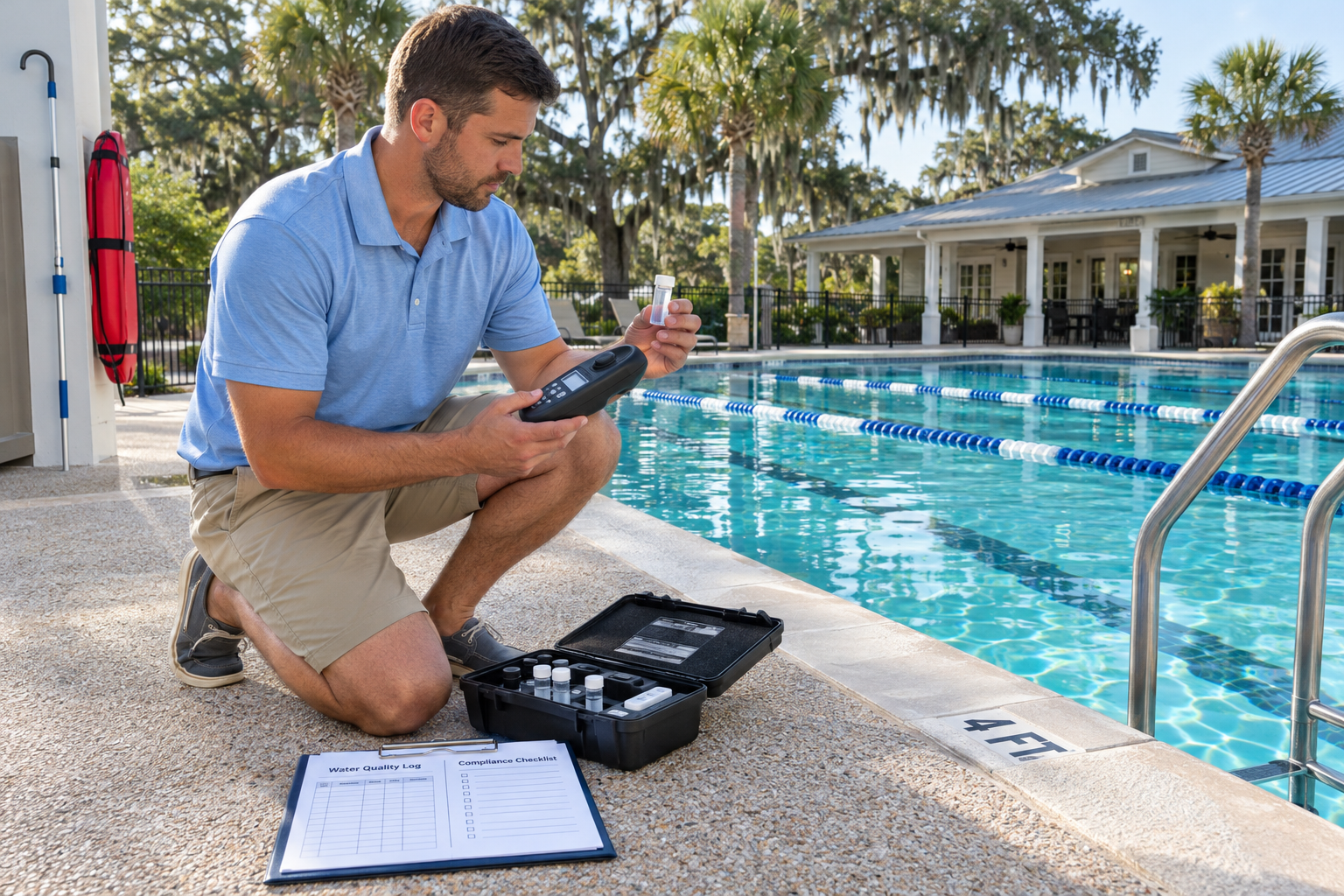
Read more: What Does a Certified Pool Operator Do? Why It MattersA certified pool operator helps manage the water quality, equipment and operating procedures that support a well-maintained aquatic facility. Within a broader aquatic facility management program, the operator connects technical checks with documented action. The work goes beyond adding chemicals or cleaning the pool. It involves understanding how disinfection, filtration, circulation, equipment condition and operating…
-
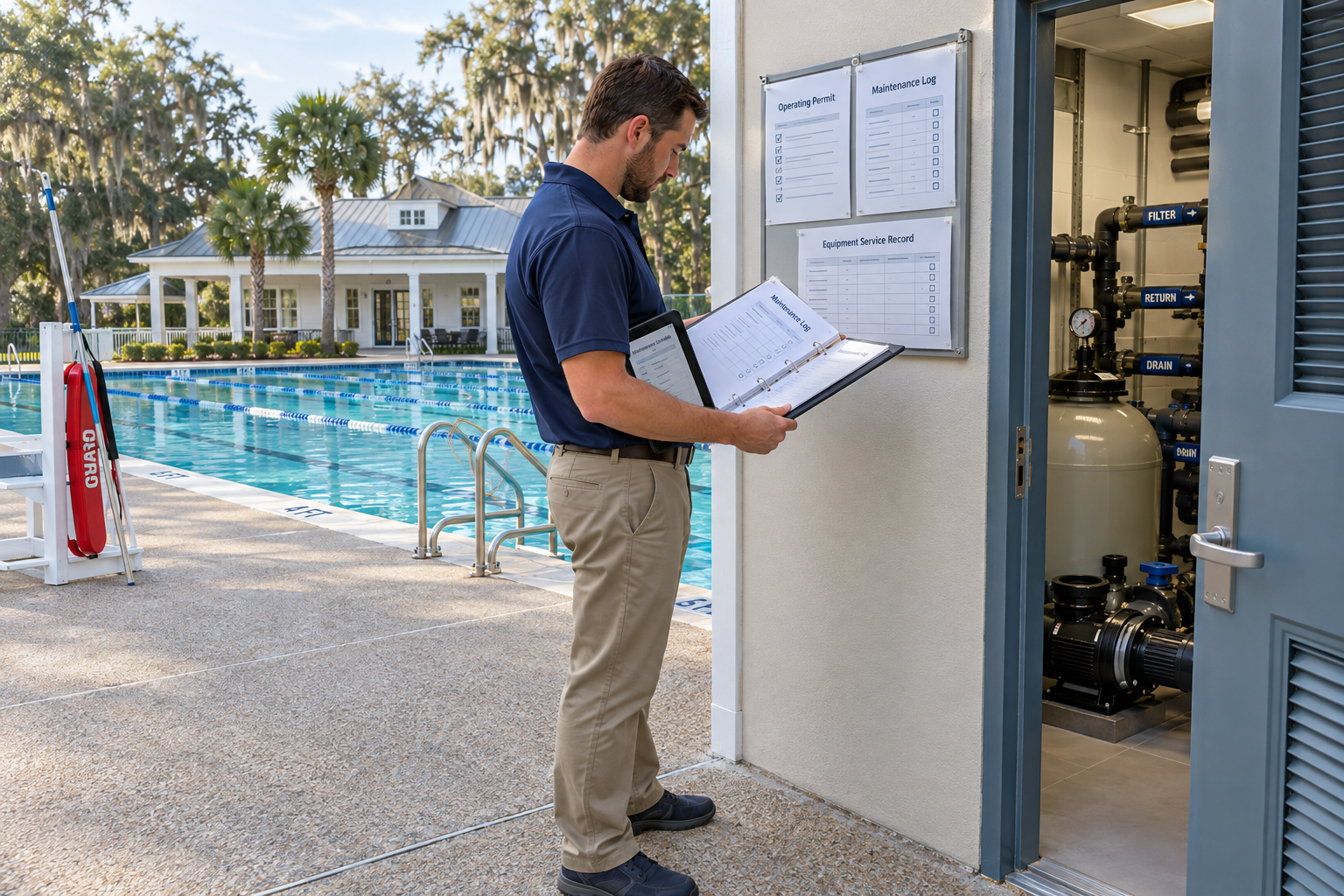
Pool Compliance in South Carolina: A Commercial Pool Guide
Read more: Pool Compliance in South Carolina: A Commercial Pool GuidePool compliance in South Carolina involves permits, water-quality testing, qualified operators, safety equipment and reliable records. Structured commercial pool management services can organize these responsibilities, but owners and designated agents must still ensure that deficiencies are corrected. The current state regulator is the South Carolina Department of Environmental Services, or SCDES. Although owners still search…
-

Commercial Pool Management Requirements in South Carolina
Read more: Commercial Pool Management Requirements in South CarolinaCommercial pool management requirements in South Carolina involve several separate responsibilities: facility permits, certified operation, appropriate staffing, documented maintenance and approval for construction or alterations. Before taking on a commercial pool management contract, identify which duties belong to the owner, management company and certified operator. An operating permit does not replace an operator’s certification. Likewise,…
-
Aquatic Risk Management Strategies for Virginia Pools
Read more: Aquatic Risk Management Strategies for Virginia PoolsAquatic risk management in Virginia starts with identifying the rules governing your facility, then assigning responsibility for inspections, staffing and emergency response. Effective commercial pool management connects those requirements to daily operations rather than treating compliance as an annual inspection task. Virginia pool requirements depend on facility classification and locality. State tourist-establishment regulations, local ordinances,…
-
Commercial Pool Safety Standards: The 2026 Compliance Guide
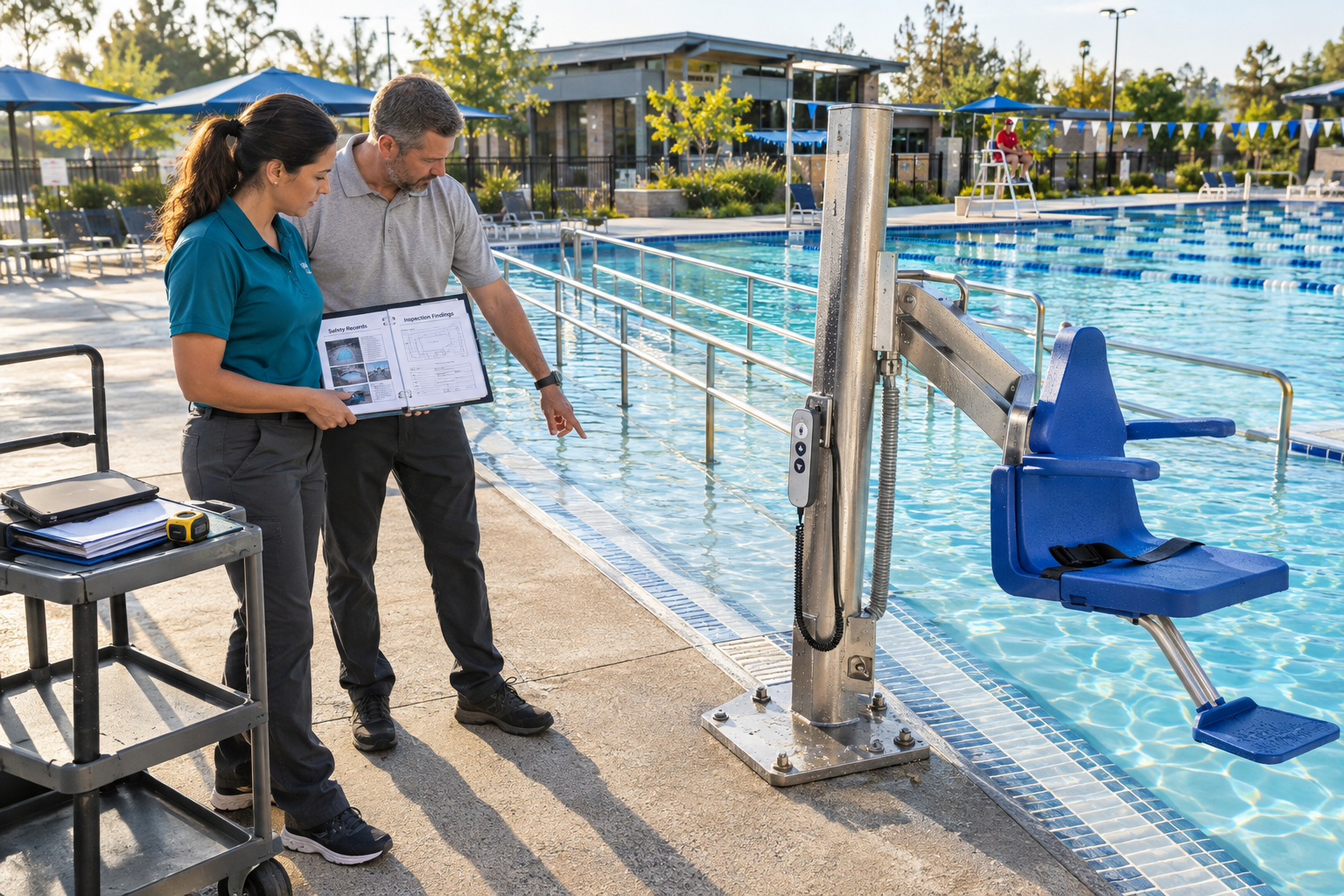
Read more: Commercial Pool Safety Standards: The 2026 Compliance GuideCommercial pool safety standards come from several sources, not one nationwide operating code. Effective commercial pool management starts with identifying applicable federal requirements, state and local rules, and facility-specific operating procedures. The Virginia Graeme Baker Pool and Spa Safety Act addresses suction-entrapment protection. ADA requirements address accessibility, while local pool codes govern many daily operating…
-
The Future of Pool Management in Texas: Trends for 2026-2027
Read more: The Future of Pool Management in Texas: Trends for 2026-2027The future of pool management in Texas will be shaped by technology, workforce availability, water constraints and rising expectations for operational accountability. Facility operators will need to control costs while maintaining safe, reliable aquatic services in a state with long operating seasons and significant regional differences. From Houston pool operations affected by humidity and storms…