
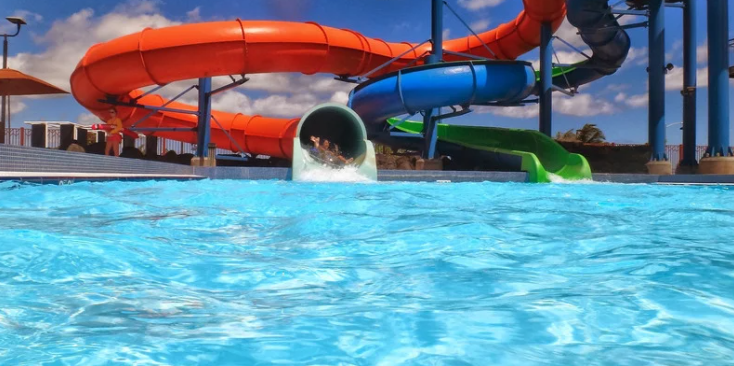
Running a successful waterpark in Maryland requires more than fun slides and splash zones—it’s about delivering safe, clean, and memorable guest experiences. With families and tourists flocking to aquatic attractions during the hot summer months, effective waterpark management ensures operations run smoothly, safety standards are met, and visitors leave with positive memories.
This blog explores best practices in municipal pool management, public pool management, swim center management, aquatic center management, and the critical role of water park operators and waterpark lifeguard staffing in Maryland.
Why Waterpark Management Matters in Maryland
Maryland is home to several popular waterparks and community aquatic centers, making waterpark management an essential service. The region’s seasonal climate demands efficient operations to maximize profitability during peak summer months. Moreover, with growing competition, waterparks need to focus on safety, guest satisfaction, and operational efficiency to stay ahead.
Effective management includes:
- Maintaining water quality and hygiene.
- Ensuring reliable lifeguard staffing.
- Streamlining guest services and amenities.
- Providing well-trained water park operators.
- Following state and local compliance standards.
For additional insights into operations, explore our Commercial Pool Management Solutions.
Best Practices for Waterpark Management in Maryland
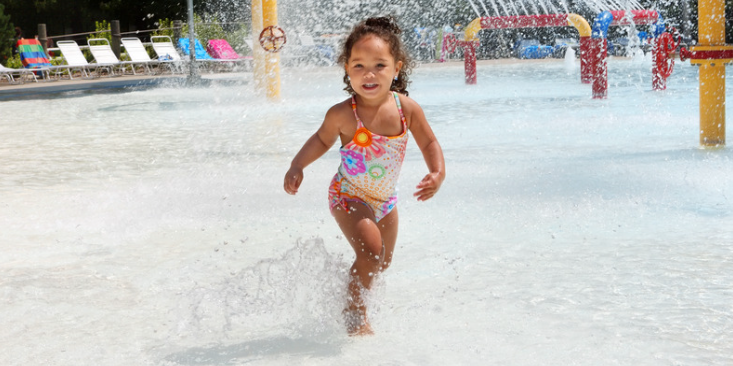
1. Prioritize Safety Through Skilled Staffing
The foundation of any aquatic facility is safety. Having trained waterpark lifeguards and professional waterpark lifeguard staffing ensures guest protection and builds trust.
Best practices include:
- Hiring certified lifeguards with CPR and first-aid training.
- Conducting regular safety drills for both staff and guests.
- Assigning a dedicated water park operator to oversee equipment and operations.
- Installing clear signage and emergency response systems.
Explore our Aquatic Facility Maintenance Services for expert staffing and operations support.
2. Regular Maintenance & Water Quality Checks
Guests expect clean, safe water at all times. Whether it’s a large waterpark or a community pool, regular maintenance is critical.
Tips for effective maintenance:
- Daily water quality testing for pH and chlorine levels.
- Preventive checks on slides, pumps, and filtration systems.
- Routine inspections of pool decks, restrooms, and locker facilities.
- Partnering with experienced professionals in Swimming Pool Maintenance for support.
3. Guest Experience & Amenities
While safety is paramount, creating enjoyable guest experiences ensures repeat visits.
Enhance experiences with:
- Comfortable seating areas and shaded cabanas.
- Food and beverage outlets.
- Interactive attractions for different age groups.
- Digital ticketing and mobile-friendly check-ins.
This approach not only enhances customer satisfaction but also supports long-term growth.
4. Effective Municipal and Public Pool Management
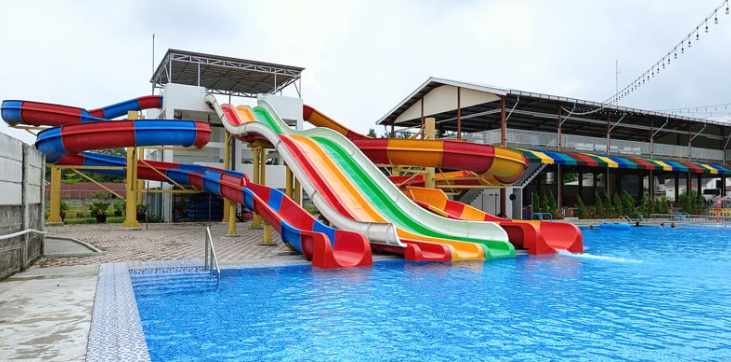
Beyond private waterparks, Maryland also has thriving community pools. Strong municipal pool management and public pool management practices ensure taxpayer investments deliver value to the community.
Best practices for public aquatic facilities:
- Budgeting for seasonal operations and staffing.
- Offering swim lessons and community programs.
- Implementing cost-efficient energy and water systems.
- Promoting inclusivity with ADA-compliant infrastructure.
Learn more about our Public Pool Management Services for municipalities and community aquatic centers.
5. Advanced Technology for Operations
Technology is revolutionizing how waterparks are run. Modern swim center management relies on software tools for scheduling, ticketing, and maintenance tracking.
Examples include:
- Automated entry systems for quicker check-ins.
- Maintenance apps for real-time issue reporting.
- Customer feedback systems to improve services.
Integrating technology also improves safety, efficiency, and overall profitability.
6. Strong Training & Development Programs
Employee training goes beyond lifeguards. Successful aquatic center management invests in continuous staff education.
Training should cover:
- Guest relations and conflict resolution.
- Safety and emergency protocols.
- Operational efficiency for water park operators.
- Upskilling in customer service and first aid.
This creates a knowledgeable, motivated workforce ready to handle high-volume guest demands.
7. Community Engagement and Partnerships
Waterparks and public pools thrive when they engage with the community. Collaborating with schools, local businesses, and municipalities ensures sustained growth.
Examples:
- Offering school swim programs.
- Hosting local events and fundraisers.
- Partnering with municipalities for municipal pool management initiatives.
By building strong ties, waterparks become community staples and trusted recreational spaces.
Commitment to Health & Safety
Following national standards is a non-negotiable part of effective waterpark operations. The CDC’s Healthy Swimming Guidelines provide valuable recommendations for maintaining safe and healthy aquatic facilities.
Conclusion
Maryland’s waterparks and community pools have an incredible opportunity to deliver unforgettable guest experiences while prioritizing safety and compliance. By focusing on waterpark management, municipal pool management, public pool management, swim center management, aquatic center management, and investing in strong waterpark lifeguard staffing and skilled water park operators, facilities can ensure long-term success.
Incorporating technology, community engagement, and professional training further strengthens operations, making Maryland’s aquatic attractions a model for the nation.