

Meeting commercial pool safety standards is not optional. For public and semi-public pools, safety is the foundation of operations. Facilities that take safety seriously protect swimmers, staff, and ownership while maintaining compliance and avoiding costly incidents.
Whether the pool belongs to an HOA, hotel, fitness center, municipality, or resort, safety standards apply every day, not just during inspections. Professional oversight ensures these standards are built into daily routines rather than treated as a last-minute checklist.
This guide explains the core safety standards every commercial facility must follow to operate responsibly and confidently.
Understanding Commercial Pool Safety Standards
Commercial pools operate under strict safety expectations designed to reduce risk and prevent accidents. These standards cover supervision, equipment, water quality, signage, and emergency readiness.
Facilities that understand and consistently apply commercial pool safety standards experience fewer incidents and smoother inspections. Those that ignore or misunderstand requirements expose themselves to liability, closures, and reputational damage.
Lifeguard Supervision and Coverage Requirements
Proper supervision is one of the most visible and critical safety standards. Lifeguards must be properly trained, positioned, and attentive at all times. Staffing levels should match pool size, layout, and swimmer volume.
Understaffed pools increase blind spots and slow response times. A professional pool management company ensures appropriate coverage and enforces scanning and rotation protocols that keep guards alert and effective.
Clear and Enforced Pool Rules
Rules exist to guide behavior and prevent dangerous situations. Running, diving in shallow areas, overcrowding, and rough play all increase risk when left unchecked.
Safety standards require rules to be clearly posted and consistently enforced. Professional management ensures staff apply rules evenly, reducing confusion and improving compliance from guests.
Safety Equipment Must Be Accessible and Functional

Every commercial pool must have required safety equipment readily available. This includes rescue tubes, reaching poles, first aid kits, and emergency communication tools.
Equipment should be inspected regularly to confirm it is in good working condition. Missing or damaged equipment can turn minor incidents into major emergencies.
Proper Pool Signage and Markings
Clear signage is a core part of pool safety regulations. Depth markers, no-diving warnings, emergency instructions, and rule signage help swimmers make informed decisions.
Faded or missing signage creates confusion and increases liability. Facilities should inspect signage regularly and replace it as needed.
Water Quality and Visibility Standards
Water clarity is directly tied to safety. Lifeguards must be able to see the pool bottom clearly to detect submerged swimmers or hazards.
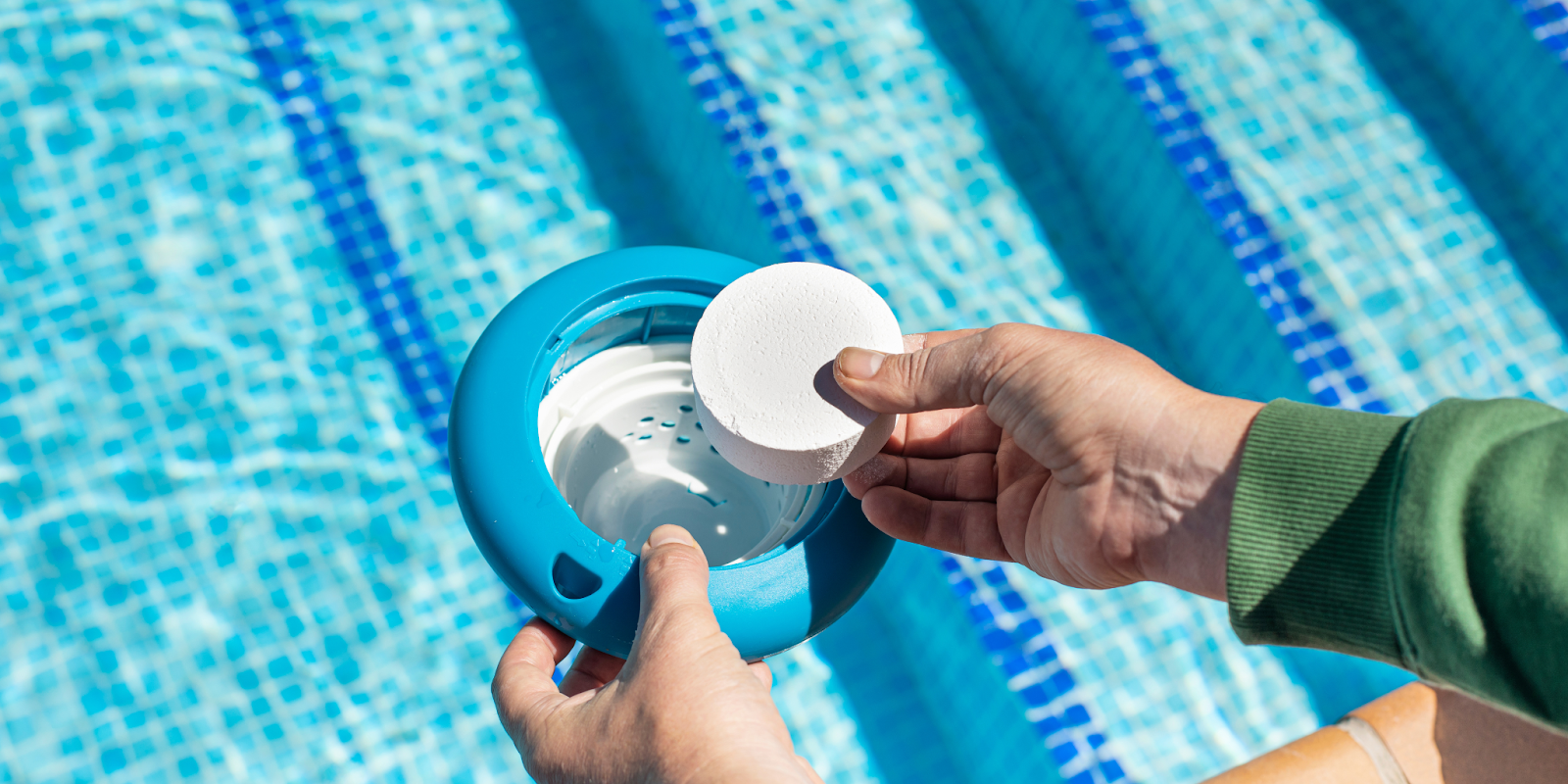
Maintaining proper chemical balance and filtration supports both swimmer health and visibility. Poor water quality increases health risks and reduces lifeguard effectiveness.
Emergency Action Planning and Preparedness
Every facility must have a documented emergency action plan. Staff should know how to respond to rescues, medical emergencies, severe weather, and equipment failures.
Regular training and drills ensure staff respond quickly and confidently. Facilities that practice emergency scenarios reduce panic and improve outcomes during real incidents.
Daily Safety Inspections Are Non-Negotiable
Safety inspections should be part of daily operations. These checks include reviewing equipment, verifying signage, inspecting deck conditions, and confirming water clarity.
Consistent inspections help identify hazards before swimmers enter the pool. Professional commercial pool services integrate inspections into daily routines to ensure nothing is missed.
Controlling Access and Preventing Unauthorized Use
Uncontrolled access increases risk, especially after hours. Gates, locks, and access control systems help prevent unauthorized entry.
Facilities that fail to secure pools expose themselves to serious liability. Professional management ensures access points are monitored and maintained.
Staff Training and Accountability
Safety standards rely on trained and accountable staff. Lifeguards, supervisors, and maintenance teams must understand their roles and responsibilities clearly.
Ongoing training keeps skills sharp and reinforces safety culture. Facilities with strong training programs experience fewer incidents and better staff retention.
Compliance With Local and State Regulations
Local health departments enforce pool safety regulations that facilities must follow. These regulations may include staffing ratios, equipment requirements, and documentation standards.
A knowledgeable pool management company stays current on regulatory changes and prepares facilities for inspections year-round.
Building a Culture of Safety
The strongest safety programs go beyond rules and equipment. They create a culture where staff prioritize prevention, communication, and awareness.
When safety becomes part of daily mindset rather than an obligation, facilities operate more smoothly and confidently.
Frequently Asked Questions
- What are commercial pool safety standards
They include supervision requirements, safety equipment, signage, water quality, emergency preparedness, and regulatory compliance.
- Are lifeguards required at all commercial pools
Requirements vary by pool type and local regulations, but many commercial pools require trained lifeguards during operating hours.
- Why is water clarity important for pool safety
Clear water allows lifeguards to see the pool bottom and identify swimmers in distress quickly.
- How often should safety inspections be conducted
Safety inspections should be performed daily before opening and throughout operating hours.
- How does professional pool management improve safety
Professional management provides trained staff, structured procedures, compliance oversight, and consistent enforcement of safety standards.
Final Thoughts
Pool safety standards protect more than swimmers. They protect staff, facilities, and ownership from preventable harm and liability. Commercial pools that treat safety as a priority rather than a requirement operate with confidence and stability.
By following established commercial pool safety standards and partnering with experienced professional pool management services, facilities create environments where safety, compliance, and guest experience work together seamlessly.