
If your pool is open to the public in South Carolina, you are operating under strict legal requirements. There is no gray area. Commercial pool management is regulated statewide, and compliance is enforced whether your pool serves ten people or thousands.
Hotels, resorts, apartment communities, HOAs, fitness centers, schools, municipalities, and community facilities all fall under South Carolina commercial pool regulations. When these requirements are ignored, pools are shut down without warning.
This guide explains what commercial pool management actually requires across South Carolina. It covers SC DHEC pool compliance expectations, commercial pool inspection requirements, public pool water quality standards, commercial pool operator certification rules, and ADA pool compliance obligations. If you want to stay open, safe, and legally protected anywhere in the state, this is the standard.
Understanding Commercial Pool Management Requirements in South Carolina
Commercial pool management requirements in South Carolina are enforced by the South Carolina Department of Health and Environmental Control. These regulations apply statewide and do not change by location.
Before a commercial pool opens, construction or renovation plans must be approved. After completion, the pool must pass inspection before an operating permit is issued. Once the pool is open, compliance must be maintained every day it operates.
Commercial pool management includes water chemistry control, equipment maintenance, safety enforcement, staff qualifications, documentation, and accessibility compliance. Pools that treat management as a side task fail inspections and create liability risks.
SC DHEC Pool Compliance Expectations
SC DHEC pool compliance means operating your pool correctly every single day. Inspections are unannounced and thorough.
Inspectors evaluate water chemistry, circulation systems, chemical storage, deck conditions, fencing, gates, drains, safety equipment, signage, staffing compliance, and operational records. Serious violations result in immediate closure.
Facilities that rely on last minute fixes do not pass. Facilities with consistent routines and proper oversight pass without stress.
Commercial Pool Inspection Requirements in South Carolina
Commercial pool inspection requirements are consistent statewide. Inspectors expect accuracy and functionality, not excuses.
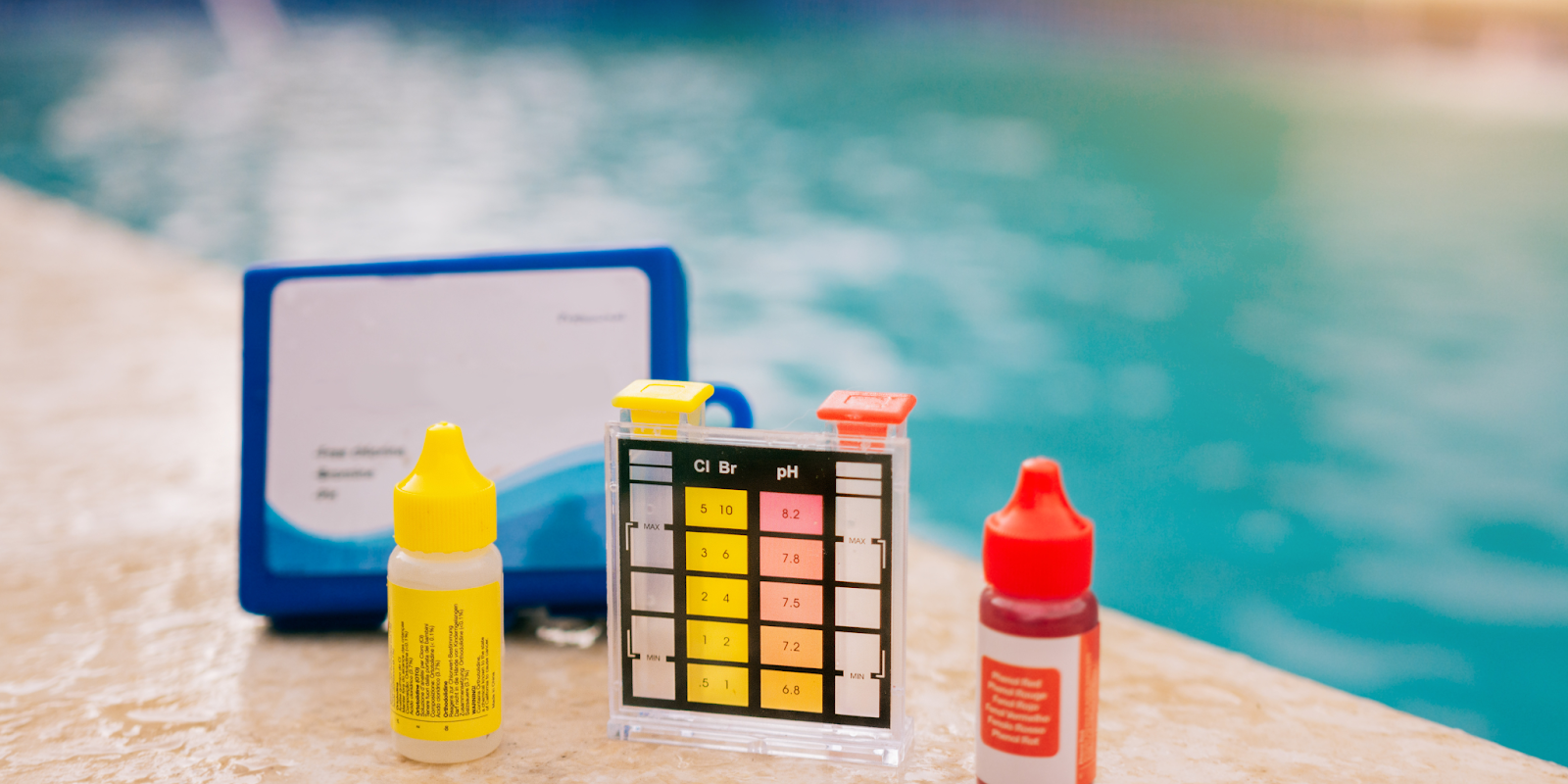
Daily logs must document chlorine or bromine levels and pH. Weekly records must include alkalinity, calcium hardness, and cyanuric acid when applicable. Logs must be complete, legible, and honest.
Inspectors verify that pumps, filters, feeders, and circulation systems are operating properly. Water must be clear enough to see the main drain at all times. Rescue equipment, emergency shutoff switches, and first aid supplies must be visible and accessible.
Depth markers, posted rules, capacity signage, and safety warnings must be correct and properly placed. Missing signage is a violation even if water chemistry is perfect.
Public Pool Water Quality Standards

Public pool water quality standards are the foundation of compliance. If water quality fails, the pool fails.
South Carolina requires pools to maintain legal chlorine or bromine levels, balanced pH, proper alkalinity, and effective circulation. Water clarity is non negotiable. If the main drain is not visible, the pool must close.
Strong chemical odor is usually a warning sign of imbalance, not cleanliness. Automated systems support compliance but do not replace manual testing and operator judgment.
If guests complain about irritation or cloudy water, the pool is already out of compliance.
Commercial Pool Operator Certification Requirements
Every commercial pool in South Carolina must be overseen by a certified pool operator. Commercial pool operator certification confirms knowledge of water chemistry, testing procedures, equipment operation, safety standards, documentation, and emergency response.
Uncertified staff do not meet legal requirements. Certification is mandatory statewide.
Certified operators reduce shutdown risk, prevent costly errors, and keep pools compliant year round. Facilities without certified oversight are exposed to legal and financial consequences.
ADA Pool Compliance Requirements
ADA pool compliance is a federal requirement that applies statewide. Most commercial pools must provide accessible entry such as a pool lift or sloped entry.
Accessibility equipment must be installed, operational, and available whenever the pool is open. Storing equipment or offering access only upon request is not compliance.
Failure to meet ADA requirements exposes facilities to lawsuits and penalties. Compliance protects both guests and property owners.
Daily and Ongoing Pool Management Responsibilities
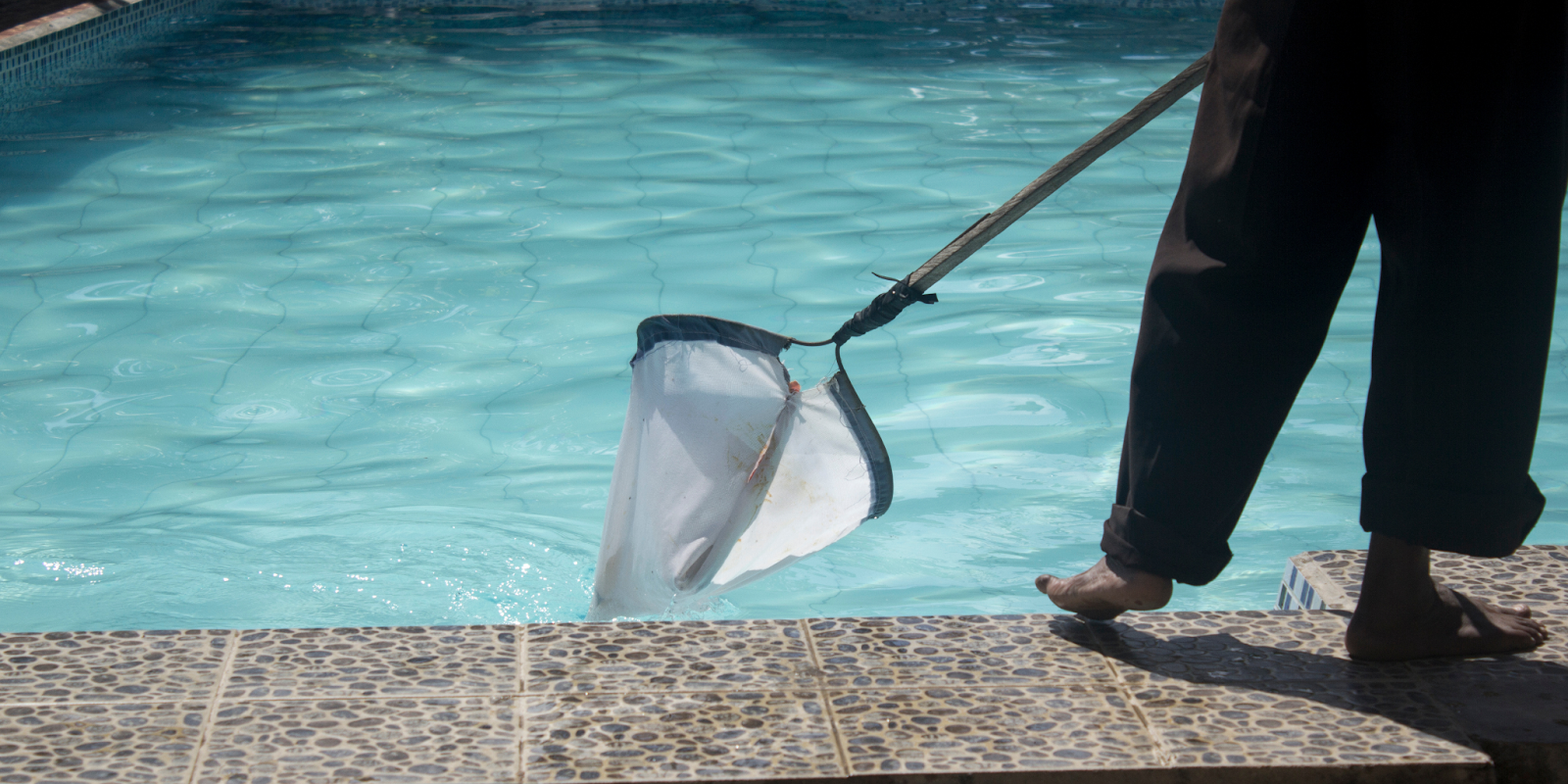
Strong commercial pool management depends on consistency. Daily responsibilities include water testing, documentation, visual inspections, and safety checks.
Weekly responsibilities include extended water chemistry testing, equipment inspections, and preventive maintenance. Regular internal audits help identify issues before inspectors do.
Pools without systems fail inspections. Pools with structure stay compliant.
How Professional Pool Management Supports Statewide Compliance
Professional pool management companies understand South Carolina commercial pool regulations statewide. They manage certified operators, maintain accurate logs, perform preventive maintenance, and prepare facilities for inspections.
Professional management reduces stress, lowers long term costs, and keeps pools compliant regardless of location.
Why Commercial Pool Compliance Matters
Compliance protects revenue, reputation, and long term stability. Pools that follow regulations avoid shutdowns, lawsuits, insurance issues, and negative reviews.
Guests trust well run facilities. Inspectors respect disciplined operators. Compliance is not an expense. It is protection.
Frequently Asked Questions
- How often must commercial pools test water in South Carolina
Chlorine or bromine and pH must be tested daily and recorded accurately. Additional chemistry testing is required weekly. - Is commercial pool operator certification required statewide
Yes. Every commercial pool must be overseen by a certified operator. - Can a commercial pool operate with cloudy water
No. If the main drain is not clearly visible, the pool must close immediately. - How often are commercial pools inspected in South Carolina
At least once per year, with additional inspections possible at any time. - Does ADA pool compliance apply to HOAs and apartment pools
Yes. Most commercial pools must provide accessible entry unless a documented exemption applies. - What happens if a pool fails inspection
The pool is closed until violations are corrected and verified. Severe cases may include fines or legal action.
Final Takeaway
Commercial pool management requirements in South Carolina apply statewide and are strictly enforced. Follow SC DHEC pool compliance daily. Prepare for inspections. Maintain strong public pool water quality standards. Keep certified operators in charge. Respect ADA pool compliance at all times.
Operate your pool like a professional facility, not a seasonal amenity. That is how you stay open, trusted, and protected long term.