

Running a commercial pool successfully requires structure, consistency, and experience. Facilities that follow commercial pool management best practices maintain safer environments, experience fewer disruptions, and control long-term costs more effectively. Whether the pool serves an HOA, hotel, fitness center, or municipal facility, professional oversight makes the difference between smooth operations and constant problems.
Effective pool management is not about reacting to issues. It is about building systems that prevent them. Facilities that invest in professional pool management services benefit from stronger compliance, better water quality, and improved guest confidence throughout the season.
This guide outlines proven best practices that support safe, efficient, and reliable commercial pool operations.
Establish Clear Daily Operating Procedures
One of the most important commercial pool management best practices is creating consistent daily routines. Opening and closing procedures should be clearly documented and followed without shortcuts. These routines include equipment checks, water testing, safety inspections, and facility walkthroughs.
Clear procedures reduce human error and ensure every day starts and ends with the pool in a controlled condition. Facilities that rely on informal routines often experience missed steps and inconsistent results.
Maintain Consistent Water Quality Standards
Water quality is the foundation of every successful pool. Maintaining proper chemical balance protects swimmers and extends the life of pool surfaces and equipment. Effective water management requires routine testing, accurate dosing, and detailed record keeping.
Professional teams rely on structured protocols rather than guesswork. This level of control keeps water clear, safe, and compliant while reducing the risk of failed inspections or swimmer complaints.
Prioritize Preventive Maintenance Over Emergency Repairs
Preventive maintenance is a core component of effective pool maintenance strategies. Pumps, filters, heaters, and circulation systems perform best when inspected and serviced regularly.
Facilities that prioritize maintenance planning experience fewer breakdowns and avoid costly emergency repairs. Preventive care also helps facilities budget more accurately and reduce unexpected downtime during peak usage periods.
Use Trained and Supervised Staff
Well-trained staff are essential for effective operations. Lifeguards, technicians, and supervisors must understand their responsibilities and follow established protocols. Regular training reinforces skills and keeps teams confident.
A professional pool management company provides supervision and guidance that supports staff performance. Supervised teams respond faster to issues and maintain consistent enforcement of safety rules.
Implement Strong Safety Management Practices
Safety should be integrated into daily operations rather than treated as a checklist item. Clear signage, enforced rules, accessible rescue equipment, and attentive supervision all contribute to safer environments.
Facilities that follow strong safety practices reduce incidents and improve guest confidence. When safety expectations are clear, swimmers are more likely to follow rules and respect pool staff.
Stay Ahead of Regulatory Compliance
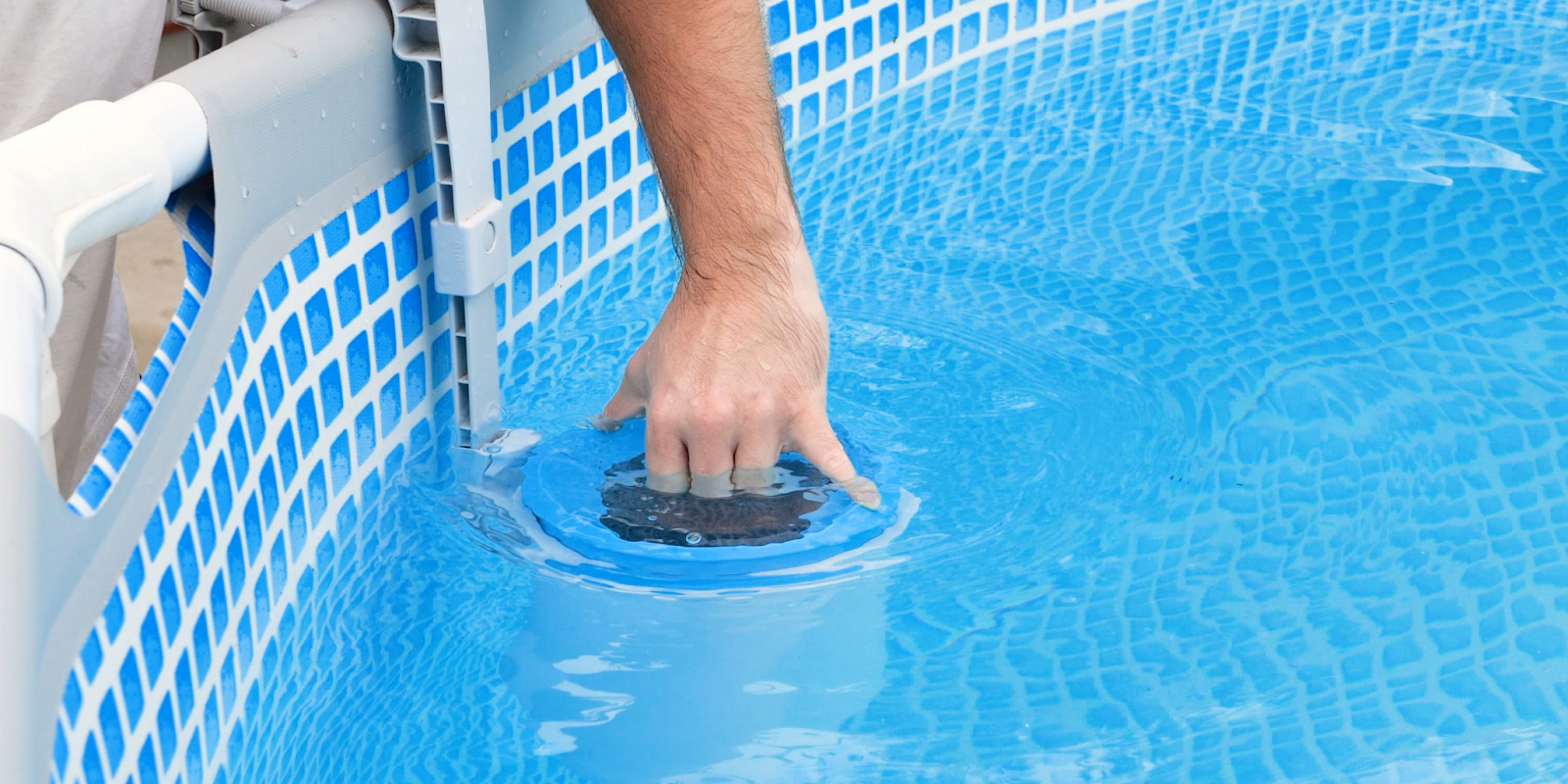
Health department regulations govern every aspect of commercial pool operations. Compliance requires accurate documentation, proper equipment, and consistent adherence to standards.
Professional management ensures facilities are always prepared for inspections. Staying ahead of compliance requirements reduces stress, prevents closures, and protects the facility’s reputation.
Monitor Equipment Performance Regularly
Equipment issues rarely appear without warning. Changes in pressure, unusual noises, or reduced efficiency often signal developing problems.
Regular monitoring allows for early intervention before minor issues escalate. This proactive approach supports commercial pool maintenance solutions that prioritize longevity and reliability.
Maintain Clear Communication Channels
Communication plays a major role in effective management. Staff must know schedules, expectations, and reporting procedures. Management must receive updates on operations, incidents, and maintenance needs.
Clear communication prevents confusion and ensures issues are addressed quickly. Facilities with organized communication systems operate more smoothly throughout the season.
Plan for Seasonal Transitions
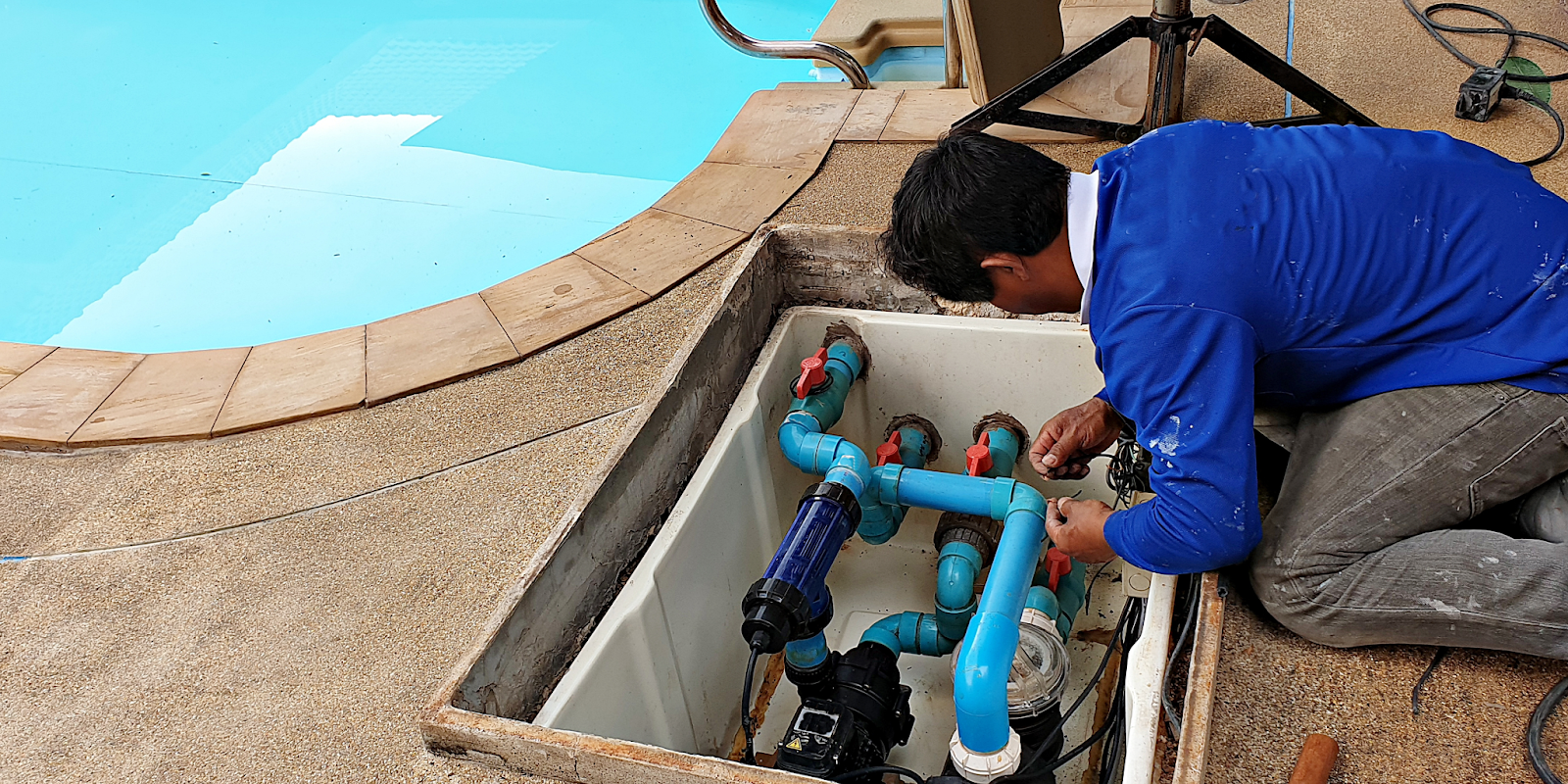
Seasonal planning is another key best practice. Opening and closing procedures require careful coordination to protect equipment and maintain water quality.
Facilities that plan ahead avoid rushed openings and delayed closures. Strategic seasonal planning supports consistent service and reduces wear on systems.
Partner With an Experienced Pool Management Company
Choosing the right management partner is one of the most important decisions a facility can make. A reliable pool management company brings experience, structure, and accountability to operations.
Professional partners provide staffing coordination, compliance oversight, preventive maintenance planning, and ongoing support. This partnership allows facility owners and managers to focus on their core responsibilities while knowing the pool is in capable hands.
Measure Performance and Improve Continuously
Effective pool management includes regular evaluation. Reviewing inspection results, maintenance records, and incident reports helps identify areas for improvement.
Facilities that track performance over time improve efficiency and reduce recurring issues. Continuous improvement keeps operations strong year after year.
Frequently Asked Questions
- What are commercial pool management best practices
They include daily operational routines, water quality control, preventive maintenance, trained staffing, safety enforcement, and regulatory compliance.
- How do professional pool management services help facilities
They provide structured oversight, reduce risk, improve consistency, and support long-term cost control.
- Why is preventive maintenance important for commercial pools
Preventive maintenance reduces emergency repairs, extends equipment life, and minimizes downtime.
- How does staffing impact effective pool maintenance strategies
Properly trained and supervised staff ensure procedures are followed and issues are addressed quickly.
- When should a facility hire a pool management company
Facilities should consider professional management when operating public or semi-public pools that require consistent compliance and oversight.
Final Thoughts
Effective commercial pool management is built on planning, consistency, and experience. Facilities that follow proven best practices maintain safer environments, control costs, and deliver better experiences for guests and members.
By investing in professional pool management services and structured operational strategies, commercial pools operate with confidence instead of uncertainty. Strong management is not about reacting to problems. It is about preventing them before they start.