
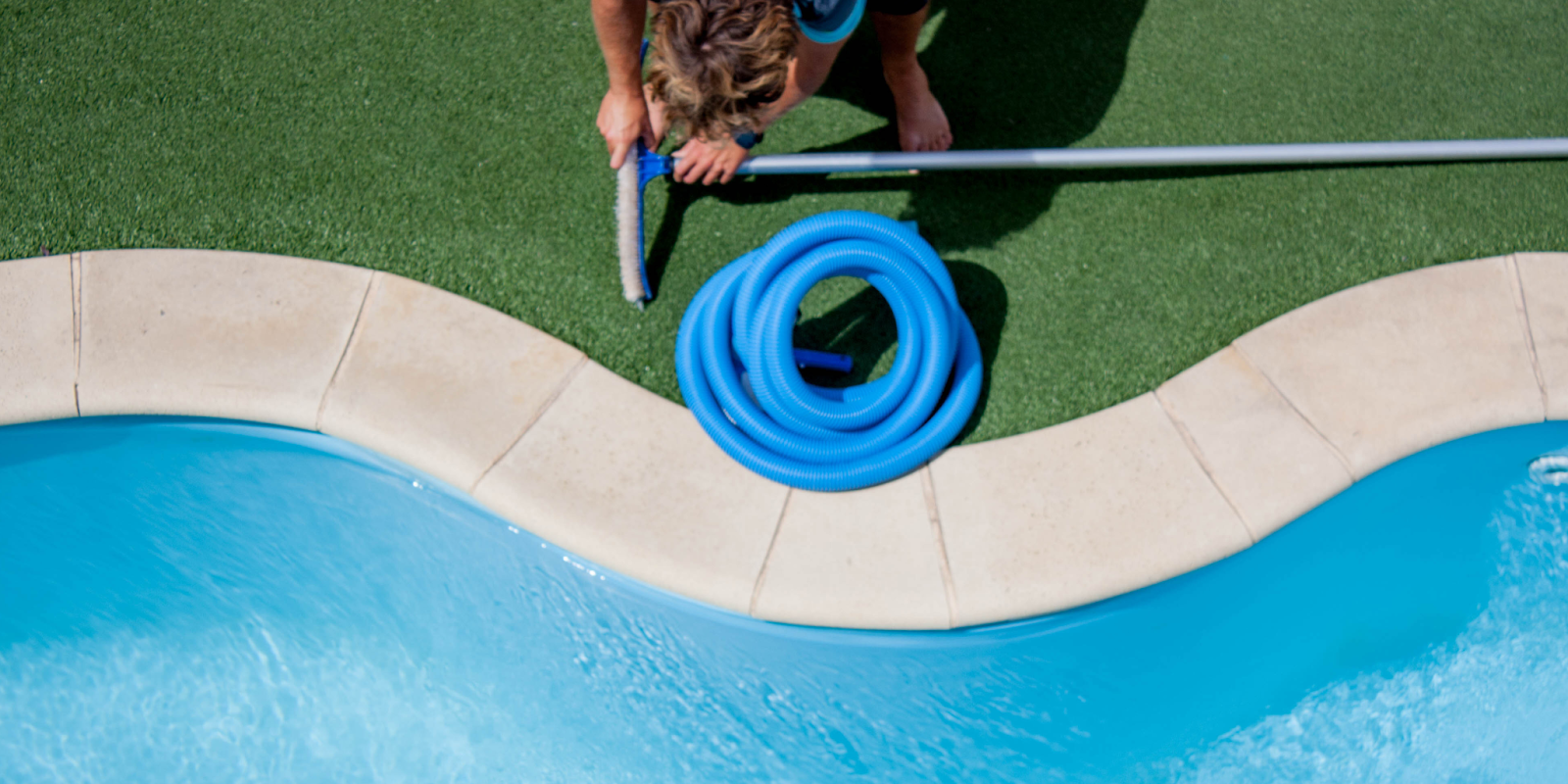
Commercial pool maintenance is not about looks. It is about safety, compliance, and keeping your property open without issues. If your pool serves residents, guests, members, or the public in any way, it must be maintained correctly every single day.
Hotels, apartment complexes, HOAs, fitness centers, schools, and municipal facilities in all rely on consistent commercial pool maintenance to avoid shutdowns, injuries, and liability problems. Miss one critical step and the entire operation is at risk.
This checklist breaks down commercial pool maintenance into clear, manageable steps. It is designed for property owners, managers, and decision makers who want a simple way to understand what proper maintenance actually requires and when professional pool maintenance services are needed.
Why a Commercial Pool Maintenance Checklist Matters
Without a checklist, things get missed. Missed steps lead to unsafe water, equipment failures, failed inspections, and angry residents or guests.
A structured commercial pool maintenance checklist ensures:
- Water stays safe and balanced
- Equipment runs correctly
- Safety risks are identified early
- Inspections are stress free
- Liability exposure is reduced
Whether maintenance is handled in house or by a commercial pool service company in , a checklist creates accountability.
Daily Commercial Pool Maintenance Checklist
Daily maintenance is the foundation of pool safety. Skipping daily tasks is the fastest way to fail inspections.
Daily commercial pool maintenance should include:
- Test and record chlorine or bromine levels
- Test and record pH levels
- Visually inspect water clarity
- Confirm the main drain is clearly visible
- Check pool deck for trip hazards
- Verify safety equipment is present and accessible
- Inspect gates, latches, and fencing
- Empty skimmer and pump baskets
If water looks cloudy or chemical levels are out of range, the pool should not remain open.
Weekly Commercial Pool Maintenance Checklist
Weekly maintenance focuses on deeper system stability and early problem detection.
Weekly tasks include:
- Test alkalinity and calcium hardness
- Test cyanuric acid if applicable
- Inspect pumps, filters, and heaters
- Backwash or clean filters as needed
- Inspect chemical feeders and controllers
- Check pool lighting and electrical components
- Inspect pool surfaces for cracks or damage
Weekly neglect leads to expensive repairs and unsafe swimming conditions.
Monthly and Ongoing Pool Maintenance Tasks

Monthly and ongoing tasks protect long term performance and compliance.
These include:
- Review and audit water chemistry logs
- Inspect drain covers and suction fittings
- Verify signage is accurate and visible
- Inspect ladders, rails, and steps
- Check emergency shutoff systems
- Review staff procedures and training
- Schedule preventive equipment maintenance
Commercial pools that rely on reactive maintenance always pay more in the long run.
Water Quality Standards Every Commercial Pool Must Meet
Water quality is non negotiable. Strong odors, irritation complaints, or cloudy water mean failure.
Commercial pool maintenance must maintain:
- Proper sanitizer levels at all times
- Balanced pH to protect swimmers and equipment
- Clear water with full visibility
- Stable circulation and filtration
Automated systems help, but manual testing and documentation are still required. Water problems do not fix themselves.
Safety and Compliance Checks That Cannot Be Skipped
Safety compliance is just as important as water quality.
Maintenance must include:
- Rescue hooks and life rings in place
- Emergency phone or communication access
- Posted pool rules and depth markers
- No diving warnings where required
- ADA access equipment ready for use
Missing safety equipment is a common reason commercial pools are closed.
When to Hire Professional Pool Maintenance Services
Some properties try to handle everything internally. That often backfires.
Professional pool maintenance services are the right move when:
- Staff lack certification or training
- Inspections are being failed or delayed
- Equipment problems keep repeating
- Documentation is inconsistent
- Liability concerns are increasing
A professional commercial pool service company brings structure, certified oversight, and consistency that most properties cannot maintain alone.
How Professional Commercial Pool Maintenance Reduces Risk
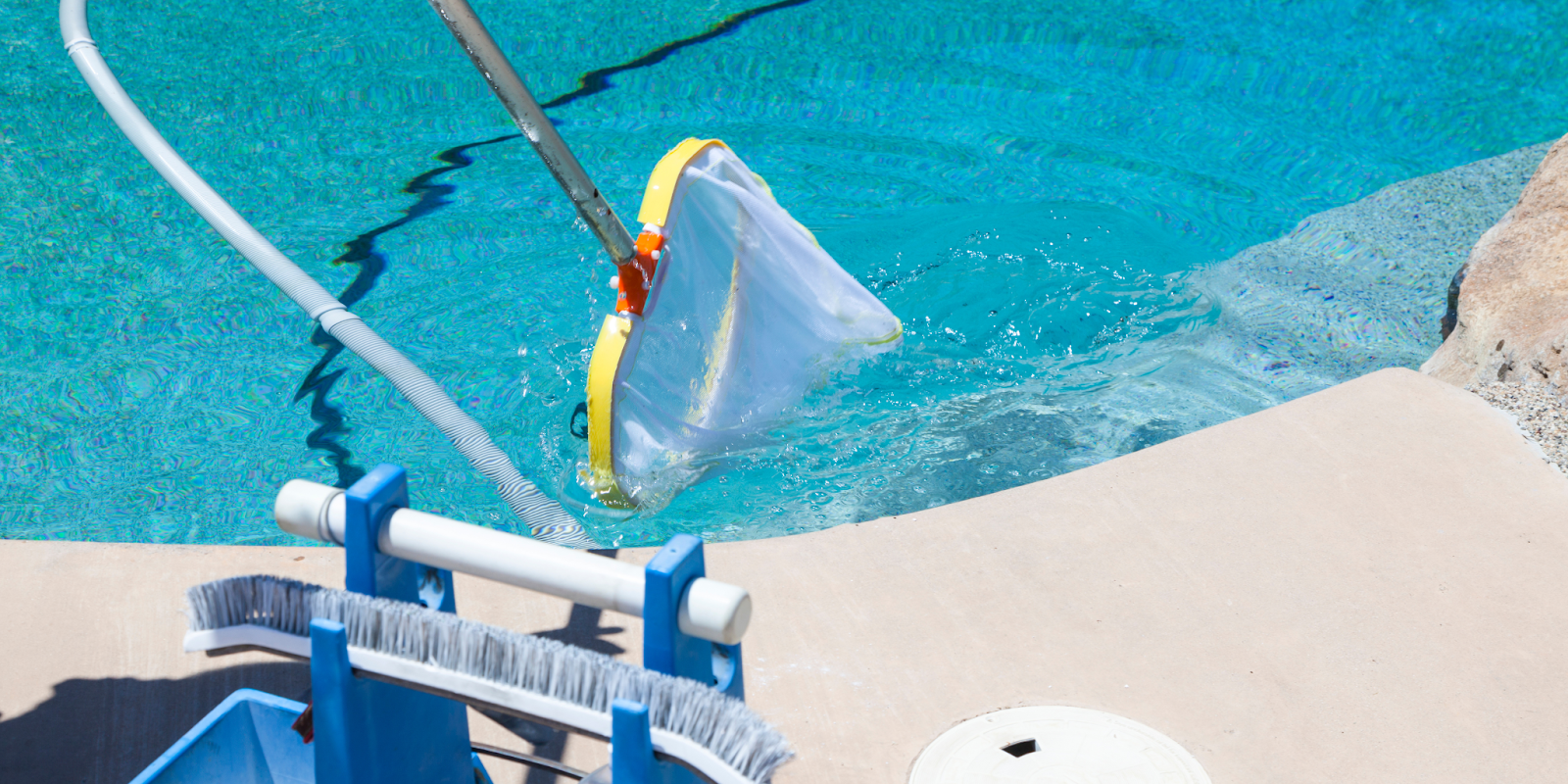
Professional maintenance providers follow structured systems. They track water chemistry, maintain equipment, prepare for inspections, and correct issues before they become shutdowns.
This reduces:
- Inspection failures
- Emergency repairs
- Legal exposure
- Guest complaints
- Operational stress
Good maintenance is invisible. Bad maintenance is loud and expensive.
Frequently Asked Questions
How often should commercial pools be serviced
Commercial pools require daily attention. Weekly and monthly tasks support long term safety and performance.
Can in house staff handle commercial pool maintenance
Only if they are properly trained, certified, and consistent. Many properties underestimate the complexity.
What happens if daily maintenance is skipped
Water quality can become unsafe quickly, leading to closures, health risks, and failed inspections.
Is professional pool maintenance required by law
Certification and compliance are required. Using a professional company is often the safest way to meet those requirements.
How do I know if my pool maintenance is failing
Cloudy water, frequent chemical swings, equipment breakdowns, or inspection issues are warning signs.
Final Takeaway
Commercial pool maintenance is not optional and it is not forgiving. A clear checklist keeps pools safe, compliant, and operational.
If your property in relies on a commercial pool, daily discipline matters. When systems feel overwhelming or inspections become stressful, professional pool maintenance services are the smart move.
Run your pool like an asset, not an afterthought. That is how properties stay protected, trusted, and profitable.